Where targeted radiation meets a highly selective tumor antigen.
Three elements define the platform: a disease with real unmet need, a binder with a difference, and a modern theranostic chemistry that pairs imaging with therapy.
A target found on most cancers, rarely on healthy tissue.
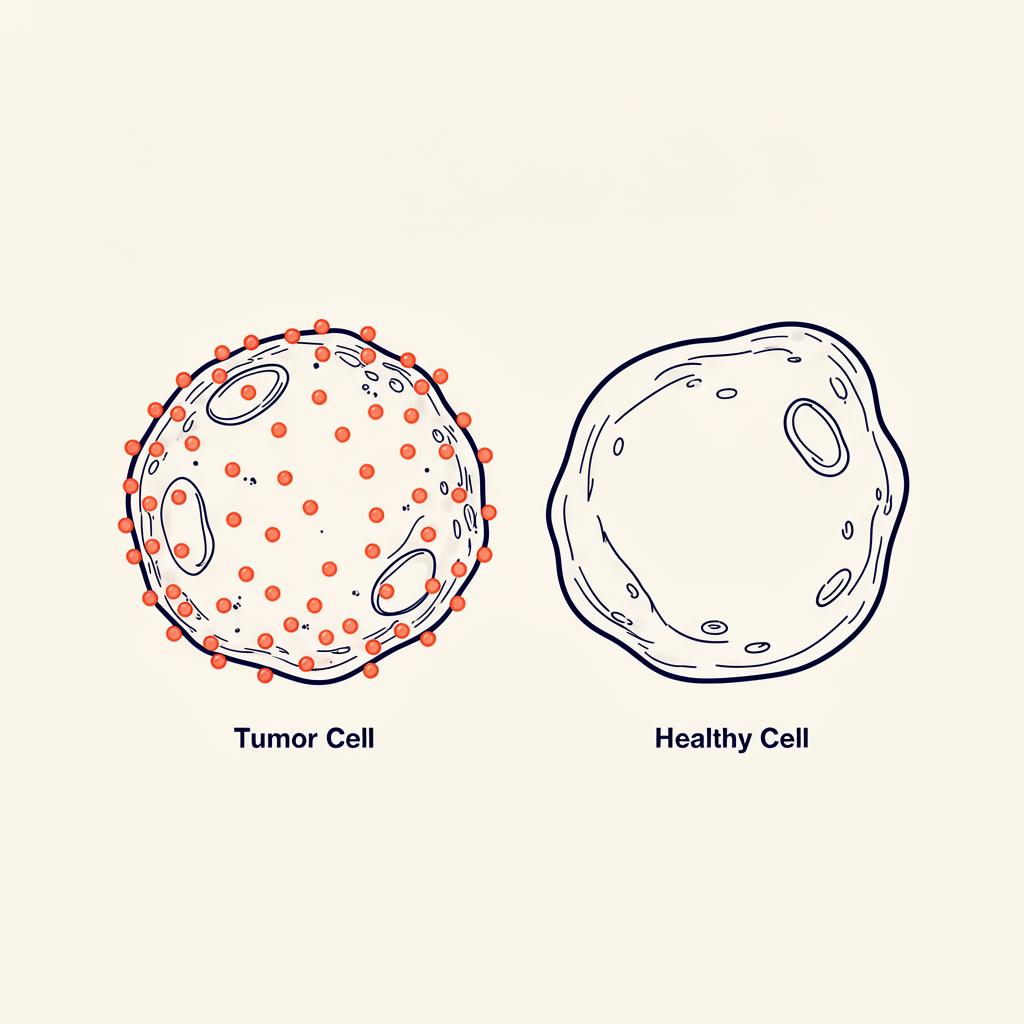
Sialyl-Tn, or STn, is a truncated sugar structure that appears on the surface of most carcinomas — colorectal, ovarian, gastric, pancreatic, and others — but is almost absent from healthy adult tissues. It has been recognized for decades as a marker of cancer, but the field has lacked an antibody with both high selectivity and clinical-grade reliability.
The broad expression of STn across most carcinomas makes it an attractive target for a pan-carcinoma radio-theranostic approach. STnRadio is building its platform to address all solid tumors where STn is expressed, offering a differentiated therapeutic option where conventional treatments have failed.
An antibody with a difference.
Our therapeutic platform is built on an anti-STn antibody with high selectivity for the STn glycan epitope. The antibody has been reported in peer-reviewed literature to bind STn with greater selectivity than the historical benchmark antibodies CC49 and B72.3, the molecules on which earlier anti-TAG72 radioimmunotherapy was built.
Two features make it well suited to a radioligand application. First, it binds the glycan epitope across a broad range of carcinomas while showing very limited reactivity with healthy tissue. Second, available data suggest its binding is not blocked by circulating shed antigen — addressing a historical challenge for anti-mucin therapeutics.

Diagnose first, then treat.
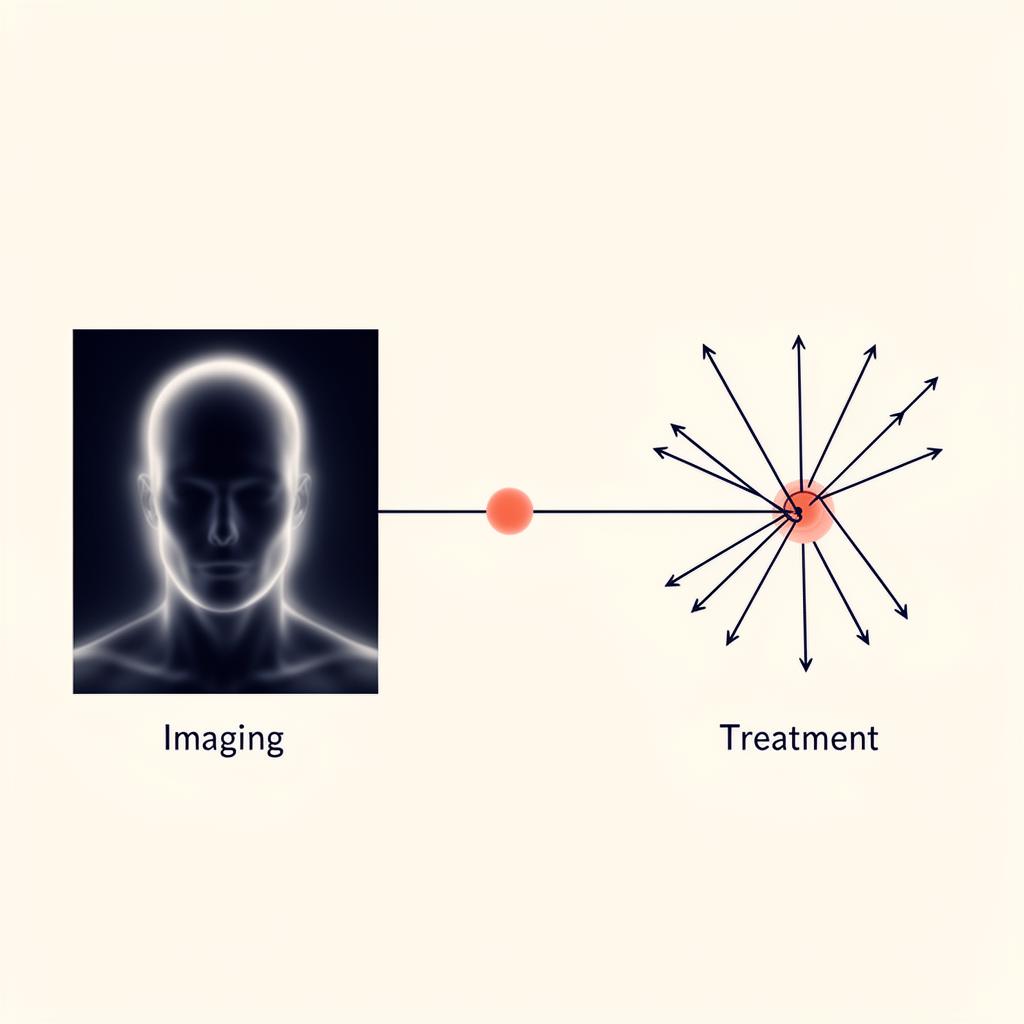
A theranostic platform pairs an imaging step with a therapy step. The imaging agent identifies whether a patient's tumor takes up the binder — and how much. Only patients whose tumors are clearly targeted then receive the therapeutic dose.
We use modern bioorthogonal chemistry to anchor the radiation at the tumor site while keeping exposure to healthy tissues low. The approach is modular: the same binding component can be paired with different radioisotopes for different clinical purposes.